
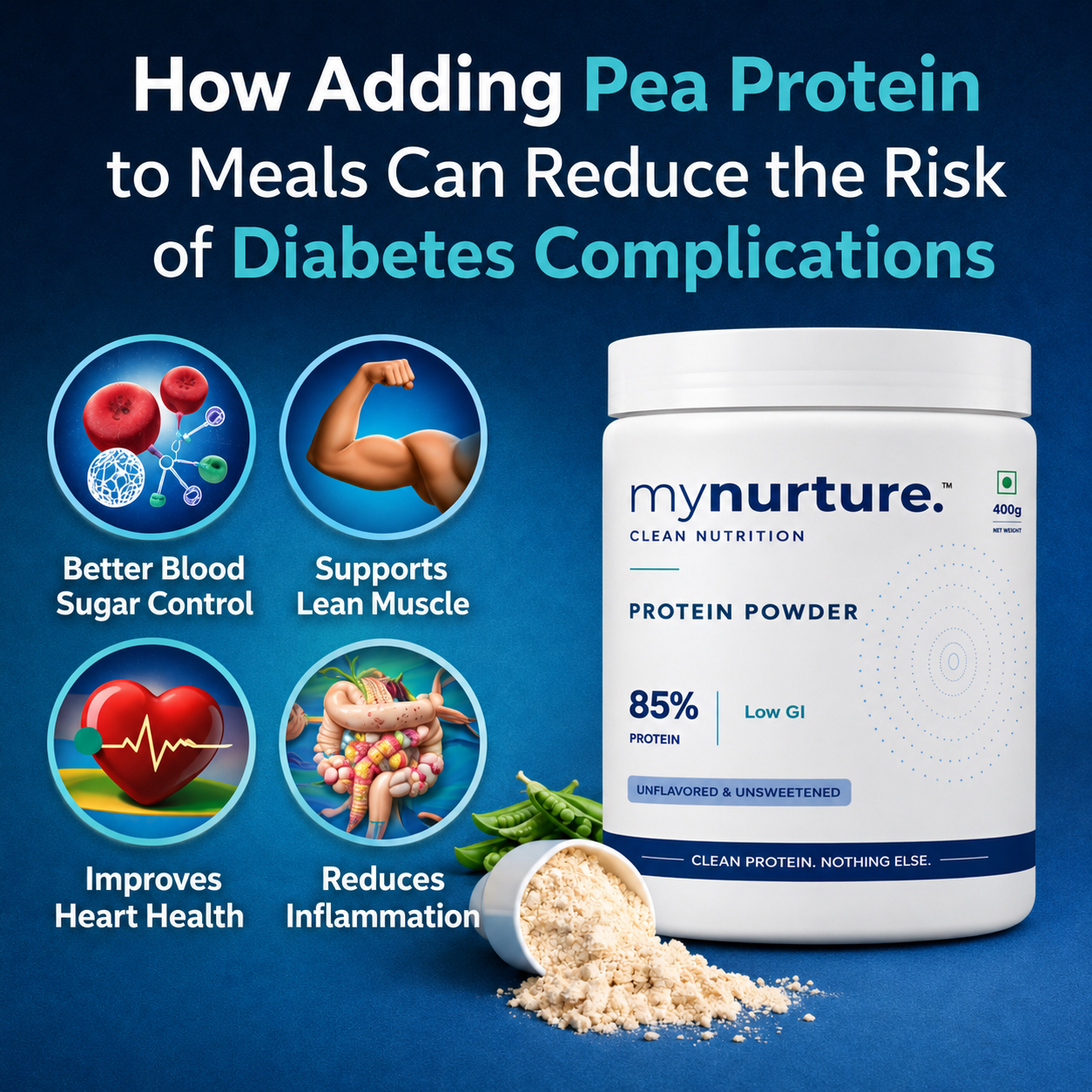
How Adding Pea Protein to Meals Can Reduce the Risk of Diabetes Complications
Diabetes management goes beyond simply controlling blood glucose levels. Over time, poorly controlled blood sugar can contribute to cardiovascular disease, kidney dysfunction, nerve damage, and metabolic imbalances. One nutritional strategy that emerging research supports is adding pea protein to meals — not just to improve protein intake, but also to reduce physiological stressors linked to diabetes complications.
Here’s how pea protein plays a protective role, backed by scientific research.
1. Improves Blood Sugar Control and Reduces Post-Meal Spikes
One of the most direct benefits of pea protein is its ability to attenuate post-meal blood glucose increases, which is a key factor in reducing long-term diabetes complications.
When carbohydrates are eaten alone, glucose enters the bloodstream quickly, causing spikes. Adding protein — especially pea protein — delays gastric emptying and slows glucose absorption, leading to a more gradual rise in blood glucose.
This effect helps reduce the metabolic stress that contributes to vascular damage, a core factor in complications like retinopathy and nephropathy.
2. Supports Lean Muscle and Metabolic Health
Loss of muscle mass is common with aging and insulin resistance. Maintaining lean muscle is important because muscles are a major site of glucose disposal, meaning they help take glucose out of the bloodstream.
Pea protein contains all nine essential amino acids, including high levels of branched-chain amino acids that support muscle protein synthesis.
Preserving muscle mass contributes to better metabolic control and reduces the risk of insulin resistance — a major driver of diabetes complications.
3. Helps Improve Cardiovascular Risk Markers
Cardiovascular disease — including heart attack and stroke — is the leading cause of death in people with diabetes. Pea protein may help improve several cardiovascular risk factors.
Pea protein consumption has been associated with reductions in LDL cholesterol, which lessens the risk of atherosclerosis. Some trials also show modest blood pressure-lowering effects, which is clinically meaningful for diabetes care.
These improvements support heart health and reduce the likelihood of chronic complications linked to damaged blood vessels.
4. Reduces Inflammatory and Oxidative Stress Pathways
Chronic inflammation and oxidative stress are significant contributors to long-term diabetes complications. Persistent high glucose causes oxidative damage to blood vessels, nerves, and organs over time.
Pea protein contains antioxidant phytonutrients and amino acids that help modulate inflammatory pathways, potentially reducing chronic inflammation.
Although more human data are needed, experimental models indicate that plant proteins can reduce systemic inflammation compared to other sources.
5. Gut Health and Insulin Sensitivity
Emerging research highlights the gut microbiome’s role in metabolic health. Certain dietary proteins influence gut bacteria in ways that can improve insulin sensitivity, which is an important factor for diabetes management.
Pea protein contains soluble fibers and oligosaccharides that can support gut bacteria associated with improved glucose regulation and reduced inflammation.
While research is evolving, this mechanism may add to pea protein’s long-term metabolic benefits.
How to Include Pea Protein in Meals
Adding pea protein to your daily meals is simple:
- Smoothies: Mix 20–30 g pea protein with vegetables, berries, or nut milk
- Oatmeal or porridge: Stir in a scoop after cooking
- Soups and stews: Add pea protein to savory dishes to boost protein without changing flavor
- Baking: Use as part of the dry mix for pancakes, muffins, or energy bars
Aim for balanced meals with protein, fiber, and healthy fats to maximize blood sugar stabilization.
Key Takeaway
Adding pea protein to meals can help reduce the risk of long-term diabetes complications by improving blood sugar control and reducing spikes, supporting muscle health and metabolic efficiency, lowering cardiovascular risk factors like LDL cholesterol and blood pressure, modulating inflammatory and oxidative stress pathways, and supporting gut health and insulin sensitivity.
Incorporating pea protein isn’t a replacement for medication or lifestyle interventions prescribed by healthcare providers, but it is a powerful nutritional strategy backed by research.