
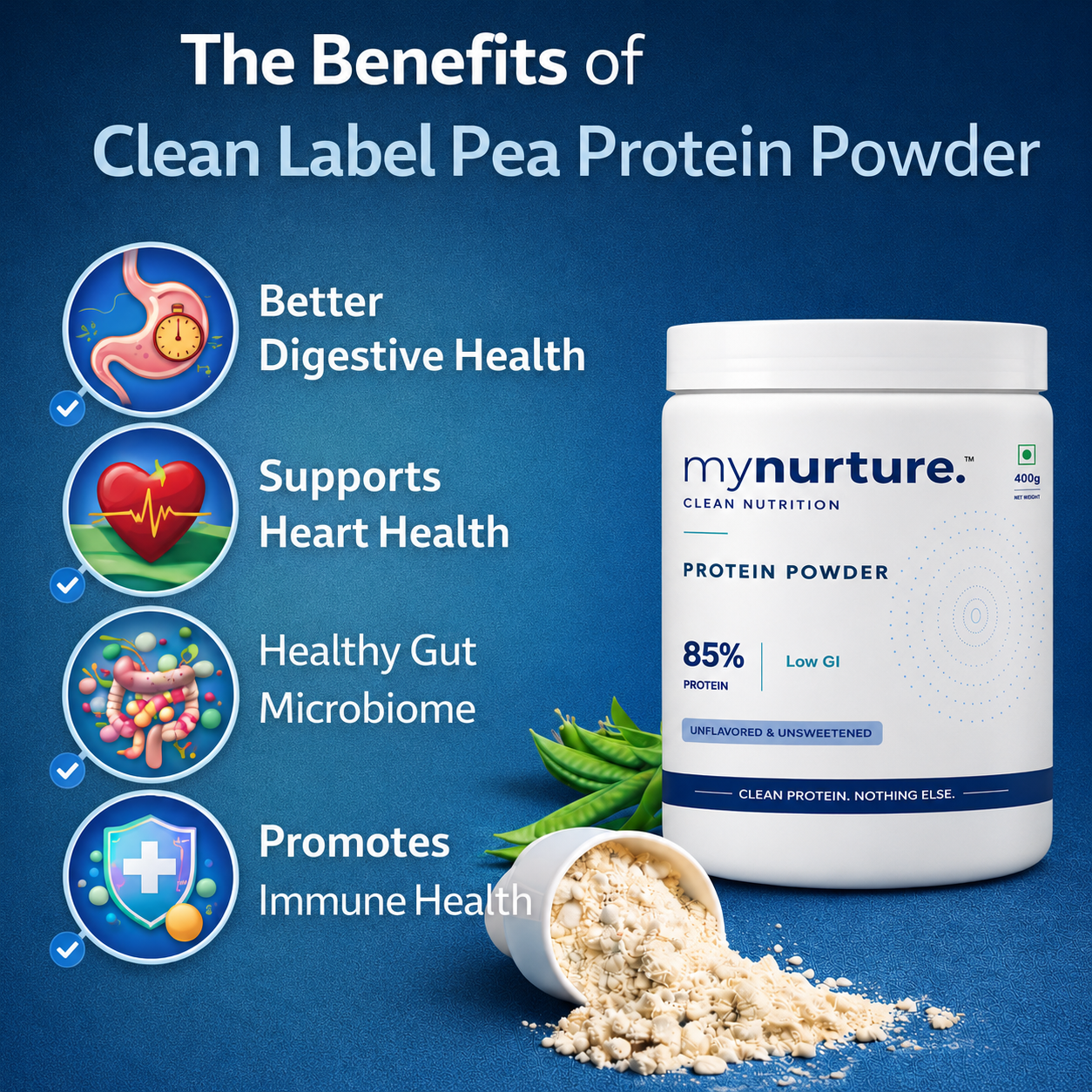
Artificial Colors in Protein Powder: Long-Term Side Effects and What Research Reveals
Protein powder has become a daily staple for athletes, fitness enthusiasts, and health-conscious people. With countless flavors and colorful packaging, many products include artificial colors to enhance appearance and appeal.
But while those bright hues may look fun, science increasingly questions what long-term exposure to artificial food colorants might mean for your health — especially when consumed regularly as part of protein supplements.
What Are Artificial Colors?
Artificial colors, also called synthetic dyes or food color additives, are chemically manufactured pigments used to enhance the look of foods. In protein powders these are commonly added to make flavors look more appealing, standardize color across batches, and mask discoloration from plant proteins or minerals.
1. Behavioral and Neurological Effects
One of the most studied concerns around artificial colors is their impact on behavior. Research has linked some artificial colors with increased hyperactivity and attention difficulties in sensitive individuals.
Although this impact is most evident in children, it suggests artificial dyes can influence brain activity and behavior over time.
2. Gut Microbiome Disruption
Emerging research links artificial food additives, including colors, to changes in gut bacteria, a key player in long-term metabolic and immune health. Some controlled animal studies found that certain synthetic food dyes significantly altered the gut microbiome and increased inflammation markers.
3. Inflammation and Oxidative Stress
Some artificial colors have been shown to increase markers of inflammation and oxidative stress in long-term studies, especially at high doses. Chronic inflammation is a well-established risk factor for metabolic diseases, cardiovascular conditions, and aging-related decline.
4. Allergic Reactions and Sensitivities
Some individuals, particularly those with asthma or aspirin sensitivity, may have reactions to certain artificial dyes. These can include headaches, hives, respiratory symptoms, and gastrointestinal discomfort.
5. Regulatory Debates and Safety Limits
Most artificial colors are considered safe when consumed within regulatory limits. However, regulatory testing often focuses on short-term toxicity, not decades of cumulative everyday exposure. Safety evaluations also do not fully account for combinations of additives or long-term low-level exposure in people with other health conditions.
6. Possible Effects on Metabolism and Weight
While direct causal evidence is limited, some observational studies have linked regular consumption of foods and drinks containing artificial dyes with increased prevalence of obesity, higher rates of metabolic syndrome, and greater likelihood of insulin resistance.
What This Means for Protein Powder Users
Protein powders are often consumed daily, sometimes multiple times per day, making them a meaningful source of artificial color exposure over time. Long-term intake may contribute to subtle neural or behavioral effects, gut microbiome imbalance, chronic inflammation, food sensitivities, and potential metabolic shifts.
Practical Tips for Healthier Choices
Look for uncolored protein powders, choose products with natural colorants, rotate products, and read labels carefully for ingredients such as Red 40, Yellow 5, or Blue 1.
Final Takeaway
Artificial colors in protein powder may be widely used and considered safe at regulatory levels, but the evidence suggests possible long-term effects, especially with chronic consumption. While more research is needed, especially in humans, many health professionals recommend limiting artificial additives whenever possible.